
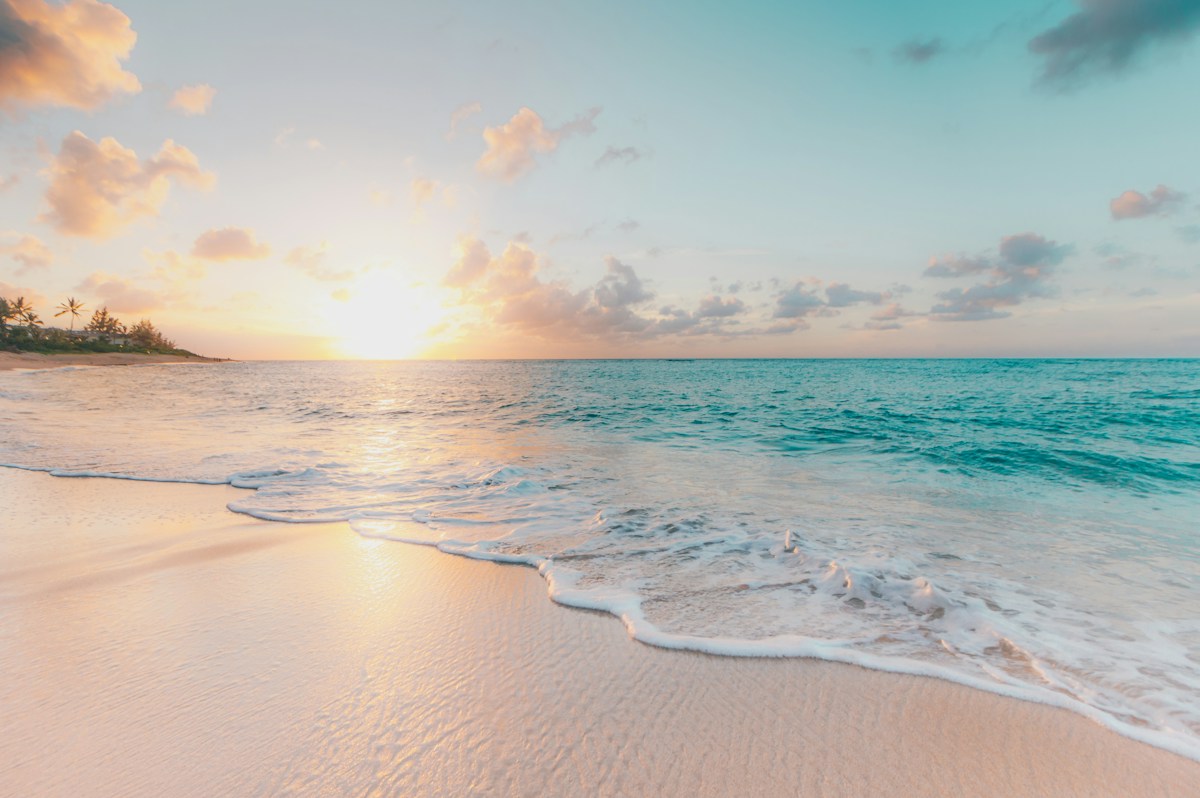
The first thing many people notice about the Carolina coast is the pace. Everything slows down a little. Morning walks stretch longer. Coffee lasts a little longer on the porch. Conversations drift the way the tide does.
People arrive here expecting beaches and sunsets. They rarely expect the way the place stays with them after they leave.
Ask anyone who has spent time in the Grand Strand and you will hear stories. Some are about fishing trips. Some are about family vacations. Others are about quiet mornings watching the sun come up over the Atlantic.
AdvertisementBut the interesting part of those stories is how often they connect to something physical. A photograph taped to a refrigerator. A postcard tucked into a book. A brochure from a place someone visited once and never quite forgot.
"The businesses willing to think differently about how they reach people are usually the ones people remember."
For a world that now lives almost entirely inside phones, travel memories along the Carolina coast still have a surprising way of attaching themselves to real objects.
The Carolina Coast Has Always Been a Place People Remember
Long before social media made travel destinations famous overnight, the Carolina coast built its reputation the slow way. Families returned year after year. Grandparents brought grandchildren to the same beach they had visited decades earlier. Couples who honeymooned in Myrtle Beach often returned for anniversaries.
Those traditions created something powerful. Memory. And memory tends to hold onto objects. A small shell collected during a walk. A photo taken outside a seafood restaurant. A postcard purchased from a gift shop just before heading home. Those objects may seem small, but they often become the anchors that keep a place alive in someone's mind.
Why Postcards Never Really Disappeared
Travel technology changed dramatically over the past twenty years. Maps moved to smartphones. Travel agents gave way to booking websites. Photo albums turned into digital galleries. But one travel tradition never fully disappeared. Postcards.
Every beach shop from Cherry Grove to Garden City still has a rack of them spinning slowly near the register. Images of lighthouses. Sunsets over the ocean. The boardwalk at Myrtle Beach. Historic streets in nearby Conway.
Most travelers do not send them through the mail anymore. But they still buy them. They slide them into luggage or tuck them into books. Later those small pieces of paper do something remarkable. They bring the entire trip back.
Physical Memories Work Differently
Digital photographs are everywhere now. People take hundreds of them during a single vacation. Most of those photos end up stored somewhere inside a phone or cloud folder that rarely gets opened again.
Printed pieces behave differently. A postcard might sit on a kitchen counter for weeks after a trip. A travel brochure might get pinned to a corkboard. A printed photo might be framed and placed on a shelf. Those objects stay visible. Each time someone notices them, the memory returns.
Tourism Still Depends on Print
Because of this connection between travel and physical memory, tourism businesses continue using printed materials even in a digital world. Restaurants print menus and promotional cards. Hotels distribute brochures about nearby attractions. Local events rely on posters and flyers to attract visitors.
These materials guide travelers toward experiences they might otherwise miss. Someone browsing a brochure rack might discover a historic site. A postcard might introduce a visitor to a coastal town they did not originally plan to visit. In subtle ways, printed materials help shape the entire travel experience.
A Local Printing Company Supporting Tourism
Many of the printed materials travelers encounter along the Grand Strand come from a business in nearby Conway. Duplicates Ink has been producing marketing materials for more than three decades. The company is owned by John Cassidy and Scott Creech, who have worked with thousands of businesses throughout the region.
Their shop produces postcards, brochures, signage, menus, and promotional materials that appear throughout Myrtle Beach and surrounding communities. While deeply connected to the local tourism economy, the company also produces materials for businesses across the United States.
That combination of local roots and national reach reflects something interesting about places like Conway. Small communities often support industries that extend far beyond their borders.
Travel Experiences Are Built From Details
When people remember a trip, they rarely remember the entire itinerary. Instead they remember small details. A restaurant recommendation from a local resident. A quiet street lined with oak trees. A place discovered accidentally while exploring.
Printed materials often guide travelers toward those moments. A brochure might highlight a historic walking tour. A flyer might announce a weekend festival. A postcard might introduce someone to a town they had never heard of before. These small pieces of information shape the experience.
The Memory Often Outlasts the Trip
What happens after someone leaves the Carolina coast is often the most interesting part of travel. The trip becomes a story. People talk about the seafood restaurant they loved. They describe the sunrise they woke up early to see. They remember the small town they discovered on the way home.
And somewhere in the middle of those stories there is usually a physical reminder. A postcard. A printed photograph. A brochure saved from a place that meant something. That object quietly keeps the memory alive.
The Carolina Coast Leaves a Mark
Some places are easy to visit but easy to forget. The Carolina coast rarely works that way. People come here expecting beaches. They leave with something else. A sense of calm. A slower rhythm. A memory of mornings near the ocean that felt different from everyday life.
Those memories often attach themselves to small objects collected along the way. Sometimes something as simple as a postcard becomes the thing that keeps the entire place alive in someone's mind. And long after the trip ends, that small piece of paper still tells the story of where someone once slept, walked, and watched the tide roll in along the Carolina coast.
Returning to the Same Stretch of Sand
People who come back to the Grand Strand year after year often say their trips stack up in layers. The first time might be all bright lights and novelty. The second time you already know which exit to take, and you catch the salt smell before you see the water. After a few visits the coast feels less like a vacation spot you “try once” and more like a chapter you keep rereading.
That is part of why postcards and other paper souvenirs still hang on here. They are not just about one week in July. They start to feel like receipts for a relationship with a place. A Surfside card might be the summer a kid learned to bodysurf. A Conway card might be the afternoon you dodged the crowds. Slide a few years of those cards into the same drawer and you have a quiet timeline of who you were each time the Atlantic was out the window.
Phone albums can hold the same years, but the pictures get buried under everything else. A postcard is usually one picture and a scribble on the back, so you actually look at it. In a part of the world where a lot of families still mark time in annual beach weeks, that small habit of keeping paper still means something. The shoreline changes slowly. You change. The drawer does not care about cloud storage.
The Drawer Where the Coast Lives
If you travel enough, you probably have a junk drawer, a shoebox, or a tin where random trip stuff lands. Rubber bands around old maps. A wristband from a pier band. A napkin with a seafood shack name scrawled on it. Along coastal Carolina, postcards often end up anchoring that pile because they are flat, tough, and easy to keep without feeling like you are hoarding.
Open that drawer five winters later and it can hit you fast. The ink on a Myrtle Beach skyline card might be a little sun-faded, but the feeling is not. You remember waiting in line behind another family while everyone argued about which picture looked most like the week they actually had. You remember the rack’s metal hooks, the sunscreen-and-fudge smell of the shop, and how good it felt to be somewhere simple for a few days.
That kind of memory is harder to pull out of a phone, where everything competes with texts, work, and the next notification. A drawer does not ping you. It just sits there until you open it. On a gray afternoon, one postcard can dump you back into humidity, laughter, gulls, and that late-day blue you only seem to notice at the beach. Nobody’s algorithm picked that moment for you. A piece of cardstock did.
Why a Cheap Postcard Can Feel Like a Private Map
Tourist postcards are printed by the thousands, but they rarely feel generic to the person who bought one. The picture on the front is the same one a thousand people took. The meaning is yours. A lighthouse everyone photographs can be, on your card, the place you walked at dawn while the house was still asleep. A plain beach sunset can be the night you finally stood still long enough to watch the color change.
That jump from a public image to a private story is a big part of why coastal Carolina hangs on in memory. The area is famous enough to fill gift shop racks, but still full of quieter mornings on side streets in Murrells Inlet or North Myrtle Beach. Postcards, local maps, and festival flyers nudge people toward those smaller moments: a boardwalk, a riverwalk, a shrimp boil, a band under string lights. You pick what to follow, and the paper becomes a record of what you actually did.
When someone says they still buy postcards even though they will never mail them, it is usually not about the post office. It is about wanting something you can touch when the trip is over. The Carolina coast gives folks a long season and plenty of towns to explore, so there is always another image that might feel worth keeping. Long after the bags are unpacked and the out-of-office message is gone, that little rectangle of ink and paper can still work like a map back to where the waves met the sand, and to the version of you who did not mind getting salt on the car seats.